Aluminum Machining: Techniques for Precision and Efficiency
The machining of aluminum introduces unique obstacles and prospects across the manufacturing field. Precision and efficiency are critical for success in this field. A range of techniques, from tool selection to coolant application, are instrumental in producing superior results. Gaining insight into these approaches can improve both output and quality. As the field continues to advance, innovative technologies are surfacing and encouraging greater examination of their effects on machining operations. What breakthroughs may emerge in the near future?
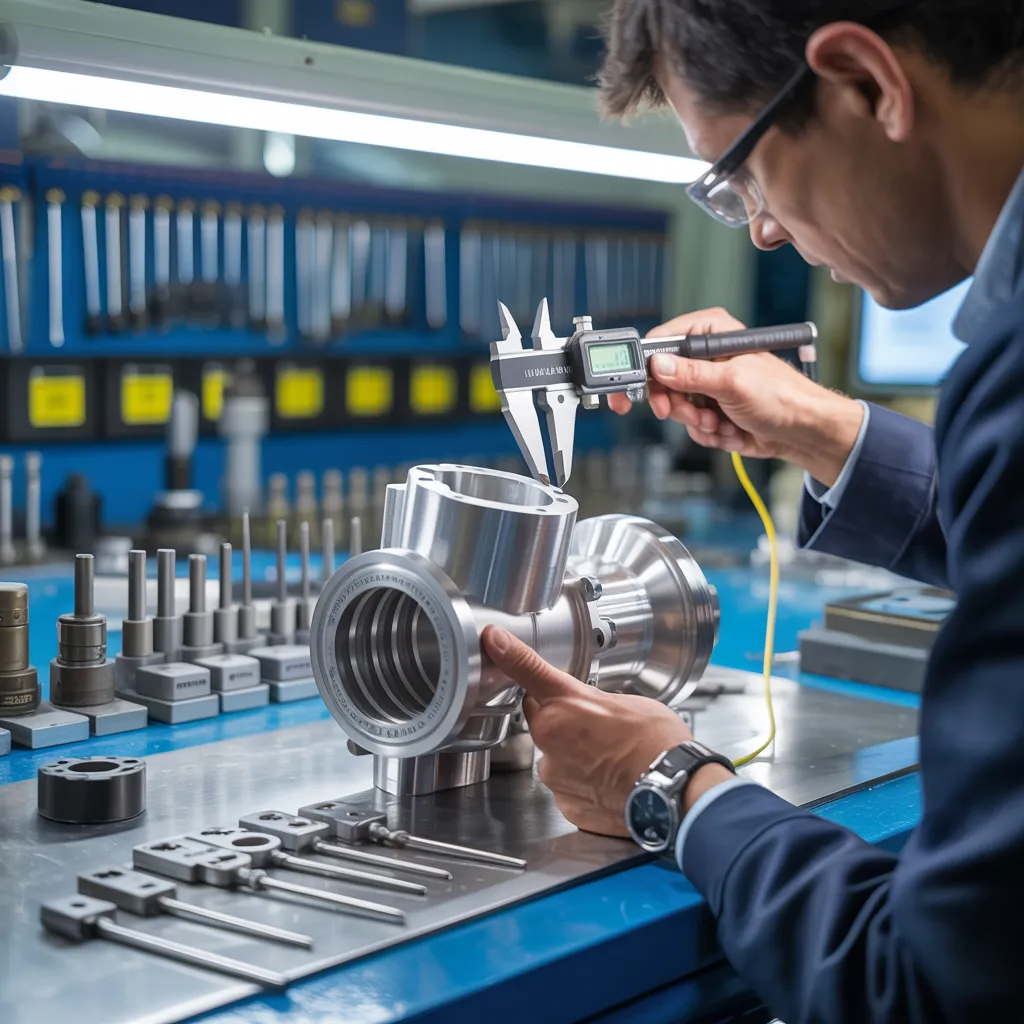
Exploring the Benefits of Aluminum in Manufacturing
This versatile metal, recognized for its lightweight yet robust properties, presents significant advantages in industrial applications. Its superior strength-to-weight balance makes it perfect for situations requiring both durability and reduced mass, such as the aerospace and automotive sectors. Moreover, aluminum is highly resistant to corrosion, which extends the lifespan of products and minimizes maintenance costs. The ease of machining aluminum enables complex geometries and tight tolerances, improving the quality of finished products.
Additionally, aluminum's outstanding electrical and thermal conductivity makes it suitable for numerous applications, including heat exchangers and electrical components. The alloy is also highly recyclable, contributing to green initiatives within the manufacturing industry. Its adaptability supports a variety of coatings and finishes, combining both visual appeal and practical performance. Ultimately, aluminum emerges as a leading choice in today's manufacturing industry due to its mix of functional performance, financial efficiency, and ecological benefits.
Essential Quality Control Methods for Aluminum Machining
In aluminum machining, effective quality control is essential to guarantee precision and reliability. Key aspects include the use of diverse inspection approaches, adherence to tolerance and specification standards, and the adoption of ongoing improvement strategies. By prioritizing these elements, manufacturers can elevate product standards and operational effectiveness.
Inspection Techniques Overview
Effective quality control in aluminum machining relies heavily on robust inspection access this information methods. Such methods cover a range of methods designed to guarantee dimensional accuracy and surface integrity. Common practices include visual inspections, which are used to spot surface defects, and dimensional checks using micrometers and calipers for exact measurement. Cutting-edge technologies, such as coordinate measuring machines (CMM), allow for comprehensive analyses of intricate geometries. Non-destructive testing (NDT) techniques, including ultrasonic and eddy current testing, are used to identify internal flaws without affecting material integrity. Moreover, implementing copyright helps monitor consistency and production processes. By integrating these inspection methods, product quality can be enhanced and waste reduced, resulting in greater efficiency in aluminum machining.
Tolerance and Specification Standards
Developing stringent tolerance and specification standards is essential for sustaining manufacturing quality in aluminum machining. Such standards specify acceptable limits for dimensions, confirming that parts perform and fit as required. Complying with industry specifications, such as ASME and ISO, helps manufacturers limit variability and strengthen product reliability. Utilizing tools such as calipers, micrometers, and gauges enables accurate measurement, while statistical process monitoring is used to monitor production consistency. By recording these specifications, manufacturers can measure real-world performance against established benchmarks, supporting necessary corrective measures. Additionally, clear communication of parameters to all involved parties, including both suppliers and end customers, builds alignment and reduces potential misunderstandings. Implementing rigorous tolerance standards ultimately contributes to better product quality and improved manufacturing efficiency.
Continuous Improvement Practices
Continuous improvement practices are essential for enhancing quality control in aluminum machining. Implementing methodologies such as Six Sigma and Lean Manufacturing can greatly reduce waste and improve process efficiency. Consistent training and professional development for operators ensure that the workforce stays proficient in utilizing cutting-edge technologies and methods. Developing feedback systems permits timely modifications and nurtures a culture of continuous improvement. Moreover, employing data analytics can uncover trends and inconsistencies in production, facilitating proactive steps to preserve quality benchmarks. Routine audits and performance assessments help to verify compliance with tolerance specifications, ensuring consistency. By embracing these practices, organizations can achieve higher levels of precision and efficiency, ultimately leading to superior product quality and customer satisfaction.
Uncover Efficient Waste Reduction Strategies in Aluminum Machining
Efficient waste minimization strategies in aluminum machining are essential for enhancing efficiency and sustainability. Strategies such as implementing optimized manufacturing workflows, refining cutting tool usage, and repurposing aluminum waste can considerably decrease unnecessary waste. These techniques not only minimize costs but also contribute to a more environmentally responsible machining process.
Integrating Lean Manufacturing Methods
Integrating lean manufacturing practices in aluminum machining refines processes and eliminates waste, boosting overall productivity. By implementing strategies such as value stream mapping, manufacturers are able to pinpoint non-value-added activities and remove them. This strategy highlights continuous improvement, prompting teams to routinely review workflows and introduce corrective solutions. Techniques like 5S (Sort, Set in order, Shine, Standardize, Sustain) foster an organized workplace, further reducing inefficiencies. Moreover, just-in-time production limits inventory levels, cutting holding costs and streamlining resource allocation. Encouraging employees to participate in problem-solving activities deepens their adherence to lean principles, cultivating a culture of efficiency. In summary, incorporating these practices not only enhances operational performance but also supports sustainable growth in the aluminum machining industry.
Refining Tool Selection Techniques
Integrating lean production methodologies creates a framework for enhancing tool selection methods in aluminum fabrication. Through the analysis of production workflows, manufacturers are able to identify the most effective tools designed for particular operations, thus improving overall efficiency. Choosing the right cutting tools based on material properties, thickness, and desired finish limits waste and optimizes performance. Furthermore, using high-performance tool materials, such as carbide or coated tools, may prolong tool life and decrease replacement frequency. Deploying tool monitoring systems facilitates real-time data gathering, allowing for adjustments that further refine machining processes. At its core, a systematic approach to tool selection encourages not only precision in machining but also drives significant cost savings and resource efficiency in aluminum manufacturing.
Recycling Scrap Aluminum Efficiently
A large share of aluminum waste created in the machining process can be efficiently reclaimed, offering a chance for machining companies to strengthen eco-friendly practices and lower production expenses. Adopting streamlined recycling methods involves gathering aluminum waste materials, categorizing it based on alloy composition, and ensuring it is free from contaminants. This practice not only minimizes waste but also enables businesses to recover useful materials for future applications. Furthermore, forming alliances with nearby recycling centers can simplify the overall recycling workflow and minimize logistics expenditures. By adopting waste reduction techniques, such as optimizing machining processes to minimize scrap generation, machining facilities can further improve their ecological footprint. In the end, the systematic recovery of scrap aluminum contributes to a circular economy, fostering both environmental responsibility and economic viability in the machining industry.
Leading Tools for Optimal Aluminum Machining
Choosing the correct equipment is essential for achieving efficient aluminum machining. Carbide tools and high-speed steel (HSS) are frequently preferred due to their durability and cutting performance. Carbide inserts, distinguished by their hardness and durability, perform exceptionally well in high-speed applications, allowing for faster feed rates and longer tool life. Furthermore, aluminum-specific end mills and drills incorporate optimized geometric designs, which decrease friction and promote efficient chip evacuation.
In addition, cooling solutions are essential in regulating tool temperature and improving the quality of the surface finish. Tools with a positive tool rake angle are especially efficient, as they allow for smoother cutting performance and lower the chances of workpiece distortion.
Investing in high-quality tooling greatly enhances manufacturing efficiency but also delivers reliable machining performance, proving it vital for manufacturers seeking to improve their manufacturing effectiveness in aluminum machining.
How to Achieve Greater Precision in Aluminum Machining?
Elevating accuracy in the aluminum machining process necessitates a well-planned strategy that addresses various aspects, including the selection of tools, machine calibration, and operational techniques. The selection of precision tools is a critical factor; tools made of carbide, for example, present greater durability against wear and longevity, which support preserving strict dimensional tolerances.
In addition, periodic machine calibration is necessary to confirm that equipment performs within defined tolerances, avoiding variations that may compromise accuracy. Operators must also focus on applying ideal feed rates and cutting velocities tailored to the specific alloy being machined.
Furthermore, keeping the workspace clean minimizes contamination and guarantees consistent results. Implementing state-of-the-art software for simulation and tool path planning can further enhance precision by predicting potential issues before they arise.
Advancing Trends in Aluminum Machining Technologies
Advancements in aluminum machining technologies are ready to reshape industry standards in efficiency and precision. Emerging trends indicate a transition to smart manufacturing and automation, combining cutting-edge robotics and AI to improve manufacturing output. These technologies facilitate real-time monitoring and adjustments, minimizing waste and enhancing quality control.
In addition, the integration of 3D printing techniques is rapidly advancing, enabling sophisticated geometric structures that conventional manufacturing cannot accomplish. This shift not only enhances the pace of prototype development but also supports tailored solutions, catering to specific client needs.
Additionally, breakthroughs in machining tools and materials are elevating operational efficiency and tool durability, thereby minimizing production delays. Eco-friendly practices are also gaining greater traction, with a dedication to lowering energy demands and recovering aluminum materials. Overall, the future of aluminum machining is characterized by a blend of technological innovation and sustainability, forecasting a more capable and environmentally responsible manufacturing era.
Common Questions and Answers
What Are the Typical Challenges in Aluminum Machining?
Frequent obstacles in aluminum machining involve tool wear, material deformation, chip formation, and reaching tight tolerances. In addition, controlling cutting speeds and feed rates is critical to avoid overheating and guarantee effective machining procedures.
How Does Aluminum Measure Up to Other Metals in Machining?
Aluminum typically provides simpler machining relative to numerous metals due to its softness, lower density, and superior thermal conductivity. Despite this, challenges including tool wear and surface finish quality can arise and necessitate careful oversight.
What Safety Measures Should Be Followed During Aluminum Machining?
During aluminum machining, proper safety precautions include using protective eyewear, gloves, and face masks, providing sufficient airflow, employing suitable tools, preserving an organized workspace, and adhering to machine operation protocols to minimize the risk of accidents and injuries.
In What Ways Do Machining Speeds Impact Aluminum Workpiece Properties?
Cutting speeds considerably impact aluminum workpiece properties. Greater machining speeds can enhance surface finish and reduce tool wear but may lead to increased thermal effects, potentially compromising material integrity. Ideal speeds successfully maintain both performance and workpiece integrity.
Can Aluminum Be Recycled After Machining?
It is entirely possible to recycle aluminum after machining. This procedure enables the retrieval of valuable resources, decreasing the ecological footprint while advancing sustainability. Recovered aluminum preserves its inherent qualities, making it a practical option for a wide range of industrial uses.